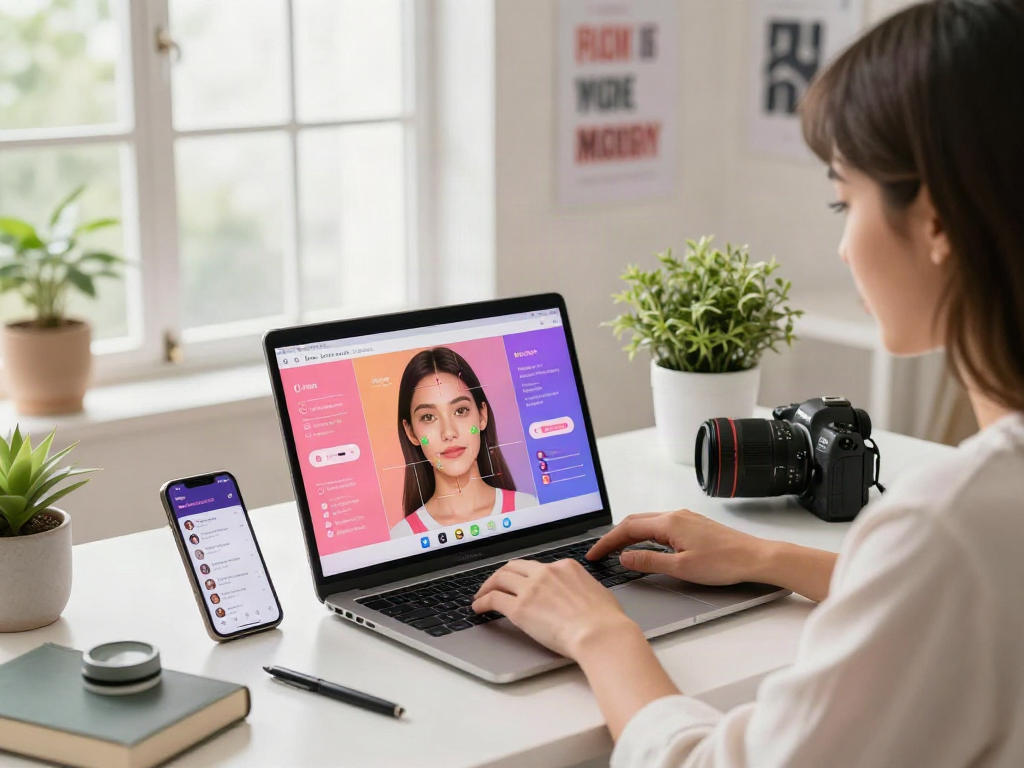
Understanding Age Perception: The Science Behind "How Old Do I Look"
Age perception is a fascinating field that delves deep into how individuals interpret and judge the age of others based on their appearance. This subjective evaluation can significantly differ from one's chronological age, leading to questions like "how old do I look?" As technology advances, especially in the realm of artificial intelligence (AI) and facial recognition, understanding the science behind age estimation is more relevant than ever. In this article, we will explore the intricate factors influencing age perception, the technology that powers age estimation tools, and the future implications of these advancements.
What is Age Perception?
Age perception refers to the subjective evaluation of someone's age based on physical features, behaviors, and cultural cues. This process is not merely about counting years; it involves a complex interplay of cognitive biases, social influences, and individual experiences. Often, our judgment is swayed by prominent facial characteristics, such as wrinkles, skin texture, and overall vitality. Research indicates that 80% of age perception relies on visual cues, underpinning the importance of facial recognition in determining how old we appear to others.
The Psychological Aspects of Age Estimation
Psychologically, age estimation can affect self-esteem and interpersonal dynamics. When individuals perceive themselves as younger than they are, it may boost confidence and social interactions. Conversely, if someone feels they look older than their actual age, it might lead to feelings of insecurity. This perception can be further complicated by societal norms that place value on youth, leading to various psychological impacts. Tools that attempt to answer questions like how old do I look have gained popularity as people seek affirmation or challenge these societal standards.
Cultural Influences on Age Perception
Different cultures have distinct attitudes towards aging and beauty, which can shape how age is perceived. In some societies, the wisdom associated with age is revered, while in others, younger appearances are celebrated. These cultural nuances affect how individuals process age-related information, making it essential to consider the context in which age perception occurs. For instance, in cultures where youth is idolized, tools for estimating perceived age may encourage individuals to produce images conforming to those ideals.
How Facial Recognition Technology Works
Facial recognition technology has revolutionized age estimation, using algorithms that analyze and interpret human facial features to estimate age. The integration of advanced machine learning models enables a high level of accuracy and reliability, making these tools more accessible to the general public.
Basics of AI and Machine Learning in Age Estimation
At the core of most age estimation tools is artificial intelligence (AI), particularly machine learning. These models are trained on vast datasets consisting of images annotated with age information. As the AI processes these images, it learns to identify patterns and feature correlations that are indicative of age, such as the presence of wrinkles or the elasticity of skin. As these technologies evolve, their precision improves, meaning users receive more accurate estimates of their perceived age.
Common Algorithms Used for Age Detection
Several algorithms are commonly employed in age detection software, including convolutional neural networks (CNNs) and support vector machines (SVMs). CNNs are particularly effective in recognizing patterns in images, making them suitable for facial recognition tasks. By utilizing these algorithms, age estimation applications can distinguish subtle features that correlate with age, such as changes in skin tone and facial contours.
Privacy Concerns and Data Security Measures
As with any technology that involves personal data, privacy concerns are paramount. Users must ensure that any platform they engage with adheres to strict data protection policies. Reputable age estimation tools employ various security measures, including data encryption and anonymization, to protect user information. It's essential for individuals to be mindful of the platforms they choose and their data handling practices.
Practical Applications of Age Estimation Tools
Age estimation technology has found its way into various sectors, from social media platforms to health and beauty industries. Understanding its practical applications can help businesses tailor their strategies for better engagement and customer satisfaction.
Social Media and Digital Marketing Uses
In the digital marketing landscape, knowing how old your audience perceives themselves can tailor marketing campaigns effectively. Brands can utilize age estimation tools to segment their audience better and personalize content that resonates with specific age groups, enhancing customer engagement. This insight allows marketers to create targeted advertising strategies that align with the perceived age of their consumer base.
Wellness and Beauty Industry Insights
The wellness and beauty industries are particularly keen on utilizing age estimation tools to refine their product offerings. By analyzing consumer perceptions of age, brands can develop products that cater to specific age-related concerns. For instance, skincare products aimed at younger audiences may focus on prevention, while those targeted at older demographics emphasize restoration and rejuvenation.
Fun and Engaging Ways to Use Age Guessing Apps
Age estimation apps have also become popular as fun tools for social interaction. Friends can use them to guess each other's ages playfully, generating conversations and engagement. These apps offer a unique blend of entertainment and curiosity, making them excellent for social media sharing.
Debunking Myths About Age and Appearance
With the increasing popularity of age estimation tools, several myths have emerged regarding age and appearance. Understanding the facts behind these misconceptions is crucial for a healthy self-image and societal perceptions of aging.
Common Misconceptions in Age Estimation
One common misconception is that certain facial features directly correlate with specific chronological ages. However, various factors—including genetics, lifestyle, and environmental influences—play significant roles in how we age visually. Not all individuals age at the same rate, making rigid age estimations highly variable.
How Genetics and Lifestyle Influence Perceived Age
Genetics undoubtedly influence how individuals age, but lifestyle choices also significantly impact perceived age. Factors such as diet, exercise, and sun exposure contribute to the visible signs of aging. For instance, individuals who maintain a healthy diet and exercise regularly may appear younger than their chronological age, while others may look older due to lack of self-care.
The Role of Skincare and Health in Age Appearance
Skincare practices have gained popularity in recent years, with more individuals investing time and resources into maintaining a youthful appearance. Regular skincare routines, sunscreen application, and hydration are all crucial factors that can influence how old someone looks. Moreover, a healthy lifestyle that includes regular exercise and adequate sleep can dramatically affect skin health and, consequently, perceived age.
The Future of Age Estimation Technology in 2026 and Beyond
As we look towards 2026, the future of age estimation technology is brimming with potential. Advances in machine learning and artificial intelligence are anticipated to enhance accuracy and user engagement significantly.
Emerging Trends in AI and Facial Recognition
Emerging trends suggest an increase in the sophistication of facial recognition technology. Next-generation algorithms may not only estimate age but also provide insights into skin health conditions and predict future aging patterns based on a user's lifestyle choices. These predictions could lead to personalized skincare recommendations tailored to individual users.
Potential Impacts on Society and Self-Image
The integration of advanced age estimation technologies into everyday applications has the potential to significantly impact societal views on aging. As individuals receive more precise feedback about their appearance, it could foster healthier self-acceptance or, conversely, exacerbate insecurities regarding age. The challenge will be to ensure that these tools promote positive self-image rather than perpetuate harmful stereotypes.
How to Engage with Future Age Perception Tools
Engaging with age perception tools will require a balance between curiosity and caution. As technology evolves, it's vital to approach these platforms with an understanding of their limitations. Users should focus on enjoying the novelty of such tools while being mindful of their personal feelings about age and appearance.
What is the most accurate app for estimating how old I look?
As new applications enter the market, determining the most accurate app for estimating perceived age may require user experimentation. Individual reviews and experiences will be essential for finding the right tool that resonates with personal needs and expectations.
Are age predictor apps reliable?
Overall reliability can vary based on the technology used and the database on which the AI models are trained. While many apps provide entertaining estimates, users should remember that the results are not definitive and should be viewed within the context of individual uniqueness.
How does aging technology work?
Aging technology works by analyzing facial features through complex algorithms that have been trained on large datasets. The more sophisticated the model, the more accurately it can predict perceived age based on visible attributes.
Can I change how old I look?
While the technology provides estimates based on current visual indicators, lifestyle choices can indeed influence the way we age. By implementing healthy habits, individuals can take active steps to enhance their appearance and potentially shift perceptions of their age.
What influences how old I look according to apps?
AI-powered age estimation apps consider a range of factors, including facial structure, skin condition, and even expression. These elements combine to form an overall estimation of perceived age, highlighting the complexity of age perception.