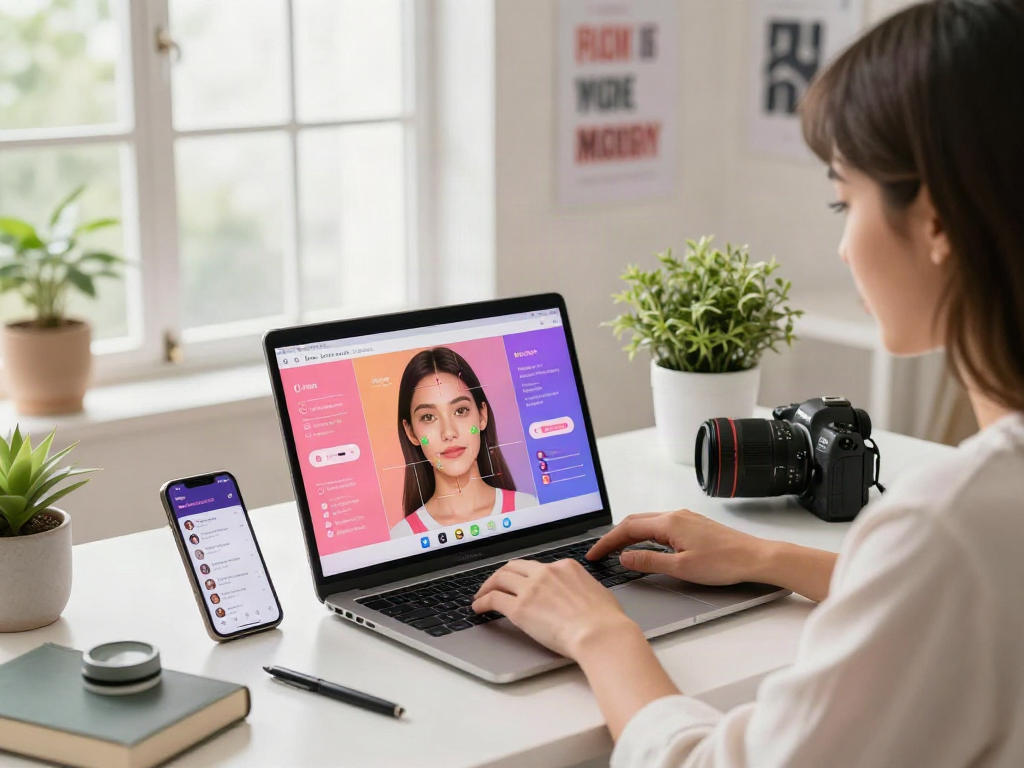
Understanding the Test of Attractiveness
The concept of attractiveness has fascinated humans for centuries, influencing everything from personal relationships to societal standards. In recent years, technological advancements have made it possible to assess attractiveness through digital means, leading to the emergence of AI-powered tests. These tools provide individuals with a unique opportunity to analyze their facial features and receive feedback based on established beauty criteria. Among these options, the test of attractiveness has gained significant attention, offering a blend of science and technology that attracts users eager to understand how they are perceived.
What is a test of attractiveness?
A test of attractiveness is a digital assessment tool that evaluates an individual's facial features against various beauty standards. By employing algorithms and AI technology, these tests analyze aspects such as facial symmetry, proportion, and alignment with the 'golden ratio'—a mathematical ratio commonly associated with aesthetically pleasing compositions. Users typically upload a photo, which the software then scrutinizes to generate an attractiveness score or rating. This score can range from a numerical value indicative of attractiveness to qualitative feedback regarding specific features.
How AI Influences Perceptions of Beauty
Artificial Intelligence plays a crucial role in reshaping how we perceive beauty. By utilizing vast datasets and machine learning algorithms, AI can identify patterns and characteristics that are often deemed attractive across different cultures and demographics. This ability allows for a more personalized evaluation of attractiveness, catering to the nuances of individual facial structures. However, while AI can provide insights, it is also essential to recognize that beauty is subjective and influenced by cultural and personal preferences.
Common Misconceptions About Attractiveness Testing
Despite their popularity, there are several misconceptions surrounding attractiveness tests. One prevalent myth is that these tests dictate an individual's worth or desirability. The reality is that they offer a perspective grounded in statistical analysis rather than a definitive judgment of character or value. Another misconception is that AI-based tests are unbiased; however, they often reflect the biases present in the datasets they are trained on. As such, results should be taken with a grain of caution and viewed as just one piece of a larger self-perception puzzle.
How Attractiveness Tests Work
Understanding how attractiveness tests function is essential for interpreting results accurately. These assessments utilize a combination of scientific principles and technology to deliver feedback on one's facial appeal.
The Science Behind Facial Symmetry and Beauty
One fundamental component of attractiveness assessments is facial symmetry, where a symmetrical face is generally considered more attractive. Studies suggest that people perceive symmetrical features as more appealing, possibly because symmetry may signify good health and genetic fitness. AI algorithms analyze the symmetry of facial landmarks and provide insights based on this analysis, often correlating higher symmetry with higher attractiveness scores.
Criteria Used in AI Attractiveness Evaluations
AI systems may evaluate a variety of criteria when determining attractiveness. Key factors include:
- Facial Symmetry: The balance of features on either side of the face.
- Golden Ratio: The mathematical proportion believed to represent aesthetically pleasing relationships among facial features.
- Canthal Tilt: The angle of the eyes, which affects perceived attractiveness.
- Skin Quality: Factors such as texture, tone, and blemishes.
These criteria, among others, create a comprehensive picture of attractiveness that AI uses to generate a score.
Interpreting Your Attractiveness Score
Once you receive your score from an attractiveness test, it is crucial to interpret it within the broader context of personal and societal standards of beauty. A score can provide useful feedback, highlighting areas for improvement or reassurance regarding one's features. However, individuals should remember that scores are subjective and not absolute representations of their value or desirability.
Benefits and Limitations of Using Attractiveness Tests
Attractiveness tests can serve as both a tool for self-improvement and a source of psychological insight, but they also come with limitations that users should be aware of.
Enhancing Self-Confidence Through Feedback
Many users find that taking an attractiveness test can bolster their self-esteem, especially when they receive positive feedback. Understanding one's strengths can lead to increased confidence in social situations, enhancing overall well-being. Additionally, these tests can motivate individuals to adopt healthier habits or refine their grooming methods based on the feedback provided by AI.
Recognizing Potential Pitfalls of AI Ratings
Despite their advantages, reliance on AI ratings can be detrimental if taken too seriously. Users may develop an unhealthy obsession with their scores or the feedback provided, leading to anxiety regarding appearance. Furthermore, the tests may perpetuate narrow definitions of beauty that do not account for diverse expressions of attractiveness across cultures.
Understanding the Psychological Impact of Beauty Scores
Receiving a score on attractiveness can trigger a range of emotional responses. For some, it may be empowering, while for others, it might reinforce negative self-image. It’s essential to approach these results critically and understand that self-worth goes beyond outward appearance.
Trends in Attractiveness Testing for 2026
The field of attractiveness testing is expected to evolve significantly in the coming years, influenced by advancements in technology and shifts in societal norms.
Emerging Technologies in Facial Analysis
As technology develops, so too do the tools available for testing attractiveness. Future tests may integrate augmented reality (AR) to provide users with interactive experiences. For example, users could visualize how certain changes to their appearance might affect their attractiveness score in real-time.
Shifting Beauty Standards and Social Media Influence
Social media is playing a pivotal role in shaping modern beauty standards. As trends shift, attractiveness tests will likely adapt to reflect evolving cultural ideals. This could lead to more inclusive tests that consider a wider range of beauty standards and trends.
Predictions for Future Attractiveness Metrics
Looking ahead to 2026, we may see the incorporation of more nuanced metrics in attractiveness tests. These could include behavioral and personality assessments, understanding that attractiveness is not solely rooted in physical features but also in charisma, confidence, and personal style.
Frequently Asked Questions
Can attractiveness tests help me improve my appearance?
Yes, attractiveness tests can provide useful feedback that may guide you in enhancing your appearance. However, remember that beauty is subjective and varies greatly among individuals.
Are AI beauty tests scientifically valid?
While many AI beauty tests utilize established beauty criteria and scientific principles, the validity can depend on the technology and dataset used. It's important to approach the results with a critical mindset.
What factors influence an attractiveness score?
Attractiveness scores typically factor in facial symmetry, features' alignment with the golden ratio, skin quality, and proportions, among other criteria.
How often should I take a test of attractiveness?
There's no specific frequency for taking these tests; however, users often find it beneficial to retake them periodically to track changes and improvements over time.
Are there privacy concerns with photo uploads?
Yes, privacy is a significant concern with any service that requires photo uploads. Always ensure that the platform is reputable and that they have robust data protection measures in place before uploading personal images.