Understanding the Shashel Microwave Technology
The evolution of wood treatment technologies has ushered in innovative solutions that address long-standing challenges in the industry. Among these, Shashel microwave technology stands out as a groundbreaking approach for the rapid elimination of wood-boring pests, including various types of beetles, commonly referred to as "tarli." This technology not only promises swift pest eradication but does so in a manner that is gentle on the wood, preserving its structural integrity while ensuring a high-quality finish. In an industry where efficiency and effectiveness are paramount, understanding the core mechanics of Shashel technology becomes essential for wood processors looking to enhance their operations.
What is Shashel Microwave Technology?
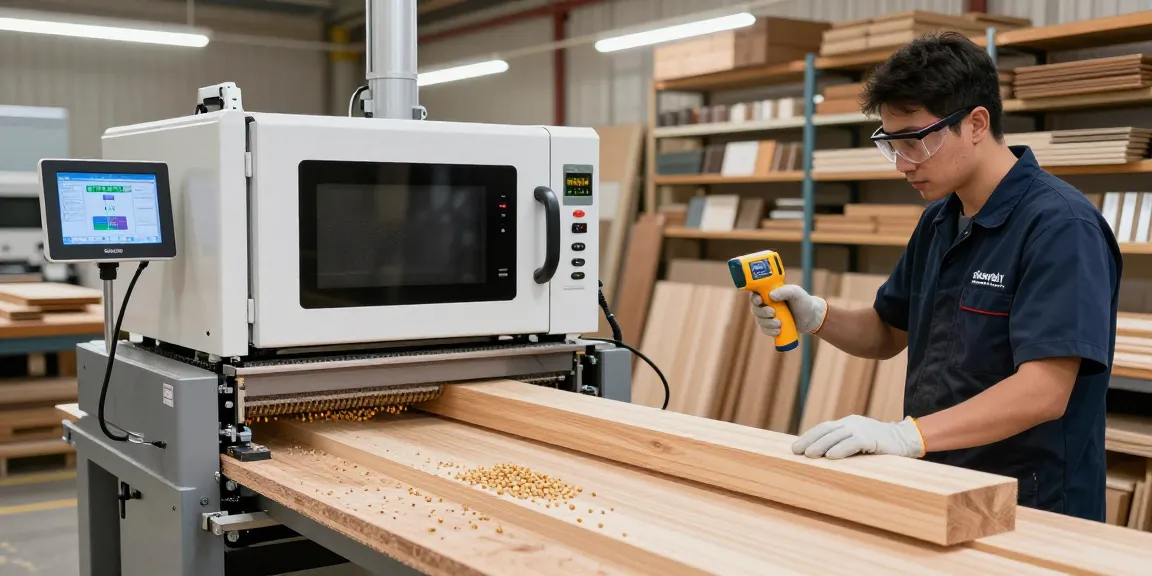
Shashel microwave technology leverages high-frequency electromagnetic waves to penetrate wood effectively, generating heat that targets pests residing within. Unlike conventional methods, which often involve harmful chemicals or prolonged exposure to heat, Shashel's approach is highly targeted. The microwave energy disrupts the biological functions of pests, leading to their quick elimination without compromising the wood's qualities.
The microwaves generated by the Shashel equipment can penetrate wood at different moisture levels, ensuring versatility across various wood types. This method is particularly beneficial for the treatment of hidden wood, where pests often nest and breed, making them difficult to eradicate using traditional techniques.
Core Benefits of Wood Treatment
- Speed: Shashel technology allows for the rapid treatment of wood, achieving total pest elimination within minutes.
- Quality Preservation: The gentle application of heat ensures that the wood's structural integrity is maintained, avoiding warping or cracking.
- Safety: With no harsh chemicals involved, Shashel provides an environmentally friendly alternative that is safer for both operators and end-users.
- Cost Efficiency: Reduced processing times translate to lower operational costs, making Shashel a financially viable option for wood processors.
How Shashel Outperforms Traditional Methods
Traditional wood treatment methods often rely on chemical sprays or extended thermal treatments, which can be time-consuming and less effective. These methods may fail to penetrate deeply enough to eliminate pests completely. In contrast, Shashel technology's microwave penetration is both deep and uniform, ensuring that even hidden infestations are addressed.
Additionally, the precision of microwave treatment minimizes the risk of damaging the wood. The targeted nature of Shashel microwave technology means that the heat can be controlled to focus solely on the pests, thus preventing unnecessary heat exposure that can degrade wood quality.
Implementing Shashel in Wood Processing
The integration of Shashel microwave technology into wood processing operations necessitates a clear understanding of its functionality and best practices for optimal results. This section outlines a step-by-step guide to utilizing Shashel equipment effectively and safely.
Step-by-Step Guide to Utilizing Shashel Equipment
- Setup: Ensure the Shashel microwave unit is properly installed in a designated area with adequate ventilation.
- Preparation: Inspect the wood for any visible signs of infestation and sort it based on size and moisture content to optimize treatment efficiency.
- Operation: Follow the manufacturer’s guidelines to adjust the settings for microwave frequency and time, tailored to the specific type of wood and pest.
- Monitoring: Regularly check the treatment process to ensure that the equipment is functioning correctly and to make real-time adjustments as necessary.
- Post-Treatment Inspection: After treatment, conduct a thorough inspection of the wood to confirm the elimination of pests.
Best Practices for Safe Operation
Operating Shashel equipment requires adherence to safety protocols to minimize risk and ensure effective treatment outcomes. Here are some best practices:
- Training: Ensure that all operators are trained in the specific functionalities of the Shashel equipment and aware of safety measures.
- Protective Gear: Equip operators with appropriate protective gear, including gloves and goggles, to safeguard against accidental exposure to microwaves.
- Emergency Protocols: Develop and communicate clear emergency procedures in case of equipment malfunction or other incidents.
Common Misconceptions about Microwave Wood Treatment
Despite its proven efficacy, there are several misconceptions about microwave wood treatment that can deter wood processors from adopting Shashel technology:
- Myth 1: Microwaves can damage all types of wood.
- Myth 2: Microwave treatment is only effective for small wood pieces.
- Myth 3: The process is time-consuming.
These myths can be dispelled with education and demonstration of Shashel's effectiveness across various wood types and sizes, showcasing its versatility and efficiency.
Quality Control in Wood Processing with Shashel
Quality control is a critical aspect of wood processing, especially when implementing new technologies. Shashel provides a streamlined approach to ensuring that treated wood meets industry standards for safety and durability.
Measuring Effectiveness and Efficiency
To gauge the effectiveness of Shashel microwave treatment, wood processors should maintain rigorous testing protocols. This includes:
- Pre- and post-treatment bug count assessments.
- Regular monitoring of wood moisture levels to ensure optimal conditions for pest eradication.
- Evaluating wood integrity post-treatment to confirm there are no adverse effects.
Performance Metrics for Wood Treatment
Developing key performance indicators (KPIs) is essential for tracking the success of Shashel technology in wood processing environments. Typical metrics might include:
- Treatment duration versus pest eradication rate.
- Cost savings from reduced labor and materials.
- Customer satisfaction and feedback on treated wood products.
Case Studies: Successful Applications of Shashel
Numerous case studies highlight the successful implementation of Shashel microwave technology across various wood processing facilities. One notable example involves a lumber mill that previously struggled with persistent pest infestations. After integrating Shashel equipment, the mill reported:
- A 95% reduction in pest-related damage.
- Drastic reductions in treatment times from hours to mere minutes.
- Increased customer trust due to the high quality of pest-free products.
Addressing Challenges in Wood Processing
While the benefits of Shashel technology are significant, challenges may still arise during its implementation and operation. Addressing these challenges proactively ensures smoother integration into existing workflows.
Potential Obstacles when Using Shashel
Some potential obstacles include:
- Initial investment costs for acquiring Shashel equipment.
- Resistance to change from traditional treatment methods.
- Need for training staff on new technology.
Strategies to Overcome Common Issues
To mitigate these challenges, consider the following strategies:
- Conduct a cost-benefit analysis to illustrate long-term savings.
- Implement a phased approach to adoption, starting with pilot projects.
- Provide comprehensive training sessions and ongoing support for staff.
Real-World Examples of Problem-Solving
Real-world applications of Shashel technology have led to innovative solutions in addressing common challenges. For instance, a furniture manufacturer facing high rejection rates due to pest damage used Shashel equipment. After initial resistance from workers, management organized workshops to demonstrate the effectiveness of microwave treatments. As a result, acceptance increased dramatically, and pest damage rates fell significantly.
Future Trends and Innovations in Wood Treatment
The wood processing industry is ripe for innovation, particularly in pest management and treatment technologies. Future developments in Shashel technology will likely focus on enhanced efficiency and environmental sustainability.
What to Expect in 2026 and Beyond
As we look toward 2026, we can anticipate several trends that could shape the future of wood treatment:
- Increased automation in the treatment process, leading to even faster processing times.
- Enhanced data analytics to monitor treatment effectiveness in real time.
- Stricter regulations regarding pest management, necessitating more eco-friendly solutions.
Emerging Technologies in Microwave Treatment
Continued research into microwave technologies may yield new innovations, such as:
- Adaptive microwave systems that tailor treatment parameters based on specific wood species.
- Integration with Internet of Things (IoT) devices for remote monitoring and control.
- Development of hybrid treatments that combine microwave technology with other pest management strategies.
Environmental Impact and Sustainability Considerations
Sustainability is increasingly important in wood processing. Shashel technology aligns with these values by eliminating the need for chemicals and reducing waste. Future innovations will likely focus on minimizing energy consumption and maximizing treatment efficiency.
How Will Shashel Adapt to Market Changes?
As the market demands more sustainable solutions, companies like Shashel are poised to adapt by innovating to meet customer needs. Future research will focus on improving treatment methodologies, enhancing user experience, and ensuring that the technology remains accessible and effective for all users.