
Understanding Screenshot Tools
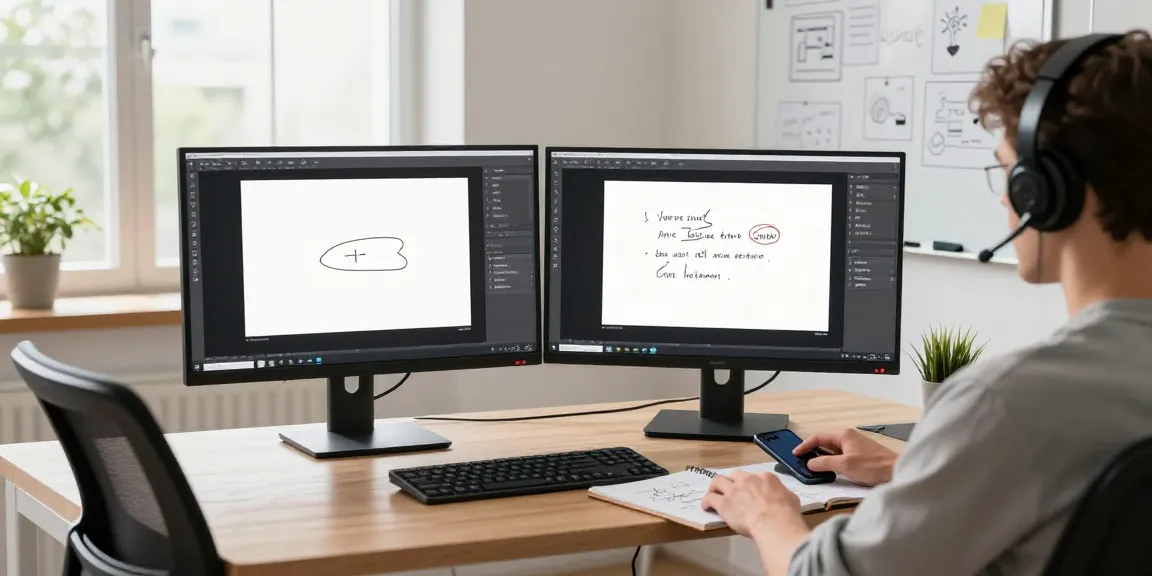
In today’s fast-paced digital landscape, the importance of efficient communication and visual documentation cannot be overstated. Screenshot tools have emerged as indispensable assets for professionals across various fields, from graphic designers to educators. These tools simplify the process of capturing, annotating, and sharing screen content, ensuring clarity and enhancing productivity. When exploring options, 截图工具 provide comprehensive insights into how to make the most of these technologies.
What Are Screenshot Tools?
Screenshot tools are software applications designed to capture an image of a computer screen or a specific area of it. This capability enables users to save and share visual information effectively. Modern screenshot tools often include advanced features such as annotation tools, text recognition (OCR), and cloud storage integration. This empowers users to not only capture images but also enhance them for better clarity and communication.
Key Features of Modern 截图工具
- Annotation Tools: Users can add arrows, text, shapes, and other markings directly on the screenshot to highlight important areas.
- OCR Functionality: Some tools offer optical character recognition, allowing users to extract text from images for editing and reuse.
- Cloud Integration: Many modern tools allow direct uploading to cloud storage services, making sharing and access easier from multiple devices.
- Multi-Platform Support: The best tools work seamlessly across different operating systems, including Windows, macOS, and Linux.
- Customizable Shortcuts: Users can set keyboard shortcuts for quick access, enhancing workflow efficiency.
Benefits of Using Screenshot Tools in Different Industries
Screenshot tools are versatile and cater to various professional needs. For instance, designers use them to capture elements of their projects for reference, while educators capture lecture slides to share with students. The use of these tools increases productivity by allowing users to quickly document and share information without the need for elaborate explanations or lengthy text descriptions. By employing screenshot tools, professionals can streamline their work processes and foster a collaborative environment.
Common Challenges with Screenshot Tools
While screenshot tools offer numerous benefits, they are not without their challenges. Users may encounter issues such as software compatibility, limited functionalities, or a steep learning curve. Understanding these hurdles can help users select the best tool tailored to their needs and improve their overall experience.
Frequent User Misconceptions
One common misconception is that all screenshot tools are the same. In reality, each tool comes equipped with different features tailored to various use cases. For example, some are designed for casual users while others focus on professional environments requiring advanced functionalities like batch processing and team collaboration. Understanding these differences is crucial for selecting the right tool.
Technical Issues and How to Resolve Them
Technical issues such as software crashes or lag can be frustrating. Ensuring that your software is updated to the latest version can often resolve such problems. Additionally, checking for system compatibility and reviewing user forums for similar issues can provide solutions and insights into common glitches experienced by others.
Optimizing Workflow with Screenshot Tools
To maximize the effectiveness of screenshot tools, users should integrate them into their daily workflows. This includes setting up custom shortcuts, understanding the annotation features, and regularly utilizing the cloud capabilities to store and share images efficiently. By making screenshot tools a routine part of their processes, users can significantly improve their efficiency.
Best Practices for Using 截图工具
Implementing best practices when using screenshot tools can elevate the quality of your visual documentation and enhance communication with colleagues or clients. Here are some effective techniques to consider.
Effective Screenshot Techniques for Professionals
- Plan Your Captures: Before taking a screenshot, determine what information is necessary. This ensures that images are focused and relevant.
- Edit Images: Use the annotation features to highlight key points, adding clarity to the visual information captured.
- Organize Screenshots: Maintain a systematic storage method, whether it’s through folders on your device or using cloud services. This makes retrieval easier for future reference.
Utilizing Annotation Features for Better Communication
Annotations play a vital role in conveying messages clearly. Use color-coding for different comments, and ensure that the text is legible. This helps viewers quickly grasp the information without needing additional explanations.
Integrating Screenshot Tools into Your Daily Routine
Integrating screenshot tools into everyday tasks can enhance productivity. For instance, regularly using screenshots during virtual meetings can help document discussions and action items effectively. This not only fosters better communication but also ensures that critical information is recorded and shared promptly.
Comparative Analysis of Popular 截图工具
With numerous screenshot tools available, it’s important to analyze their unique features and compare their benefits to make an informed choice. Here, we will examine Snipaste alongside some popular competitors.
Snipaste vs. Competitors: Unique Features and Benefits
Snipaste stands out due to its unique functionality of attaching screenshots as floating windows on the desktop. This feature is particularly useful for designers who need constant access to visual references while working on projects. Competitors like Lightshot and Greenshot also offer robust features, yet may lack the seamless integration and versatility of Snipaste.
User Experiences and Testimonials
User feedback can provide valuable insights into how effective these tools are in real-world applications. Many users praise Snipaste for its user-friendly interface and advanced OCR capabilities, which allow for quick text extraction from images. Such features are critical in environments where accurate documentation is vital.
Cost Analysis: Free vs. Paid Versions
While many screenshot tools offer basic functions for free, advanced features often come at a cost. Snipaste provides a comprehensive free version that includes essential features like screenshotting, annotation, and basic OCR, while its professional version offers enhanced capabilities for teams and enterprise users.
The Future of 截图工具 in 2026 and Beyond
As technology continues to advance, the future of screenshot tools looks promising. Innovations in AI and machine learning are set to play a significant role in improving the functionalities and efficiencies of these tools.
Emerging Trends in Screenshot Technology
Future trends indicate a shift towards more integrated solutions where screenshot tools will sync with project management software. This integration would offer seamless workflows and better organization when documenting collaborative work.
AI Integration and Its Impact on Efficiency
AI could revolutionize how screenshots are captured and utilized. For example, intelligent cropping and automatic text extraction may become standard features, making the process even faster and more accurate.
Preparing for Future Developments in 截图工具
To embrace future innovations, users should stay informed about updates and advancements in their chosen screenshot tools. Engaging with user communities and participating in feedback initiatives can contribute to product development and enhance user experience.
What are the best screenshot tools available?
Several tools stand out in the market, including Snipaste, Lightshot, and Greenshot, each offering unique features tailored to different needs and preferences.
How to use 截图工具 effectively?
Effective use involves familiarizing yourself with the tool’s features, planning your captures, and integrating it into your workflow to enhance productivity.
Are there free options for screenshot tools?
Yes, many tools offer free versions with essential features, allowing users to evaluate the software before committing to a paid version.
Can I use screenshot tools for collaboration?
Absolutely, many screenshot tools facilitate collaboration by allowing users to share annotated images easily, thus improving communication within teams.
What future innovations can we expect in screenshot technology?
Expect to see enhanced features driven by AI, better integration with other software, and increasingly user-friendly interfaces that cater to diverse professional needs.


